In short:
Discover the top mistakes businesses make when leasing vehicles in Australia. Learn how to avoid costly pitfalls and get the best lease deal for your business.
Key facts:
- Understanding lease terms: Many businesses overlook important lease terms, leading to costly penalties. It's crucial to fully understand the conditions before signing any agreement.
- Misunderstanding tax benefits: Not all vehicle leases are treated equally for tax purposes. You could be missing out on tax deductions if you're not aware of the nuances.
- Ignoring maintenance clauses: Failing to factor in ongoing maintenance costs can lead to unexpected expenses, especially if your lease agreement doesn’t cover all maintenance.
- Choosing the wrong lease type: Opting for the wrong lease type can have financial consequences. Make sure to select between operating leases and finance leases based on your business needs.
- Overestimating resale value: Businesses often overestimate the resale value of leased vehicles, which can lead to financial loss at the end of the lease term.
Leasing vehicles is a great option for many Australian businesses looking to expand their fleet without the large upfront costs of purchasing. However, like any financial decision, it's important to avoid common pitfalls to ensure you get the most out of your lease agreement. In this article, we’ll cover the most common mistakes businesses make when leasing vehicles, how to avoid them, and the best practices for getting the most value out of your lease in the current Australian market.
Not fully understanding the lease terms
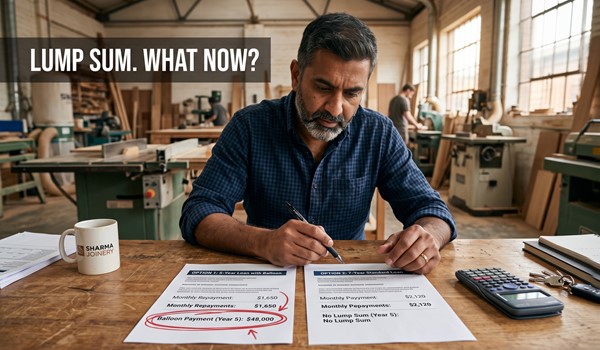
One of the biggest mistakes businesses make when leasing vehicles is not thoroughly understanding the lease terms before signing the agreement. Lease contracts can be complex, and if you're not careful, you could end up paying more than you expected.
Common overlooked terms include:
- Excess kilometre charges: Most leases have a limit on the number of kilometres you can drive each year. Exceeding this limit can result in hefty charges, so it's important to estimate your usage accurately.
- Early termination fees: If your business circumstances change, you may want to end the lease early. However, many businesses are shocked to find out how expensive it can be to break a lease before the term ends.
- Wear and tear penalties: At the end of the lease, you may be charged for any excess wear and tear on the vehicle. These charges can be higher than expected, especially if the vehicle hasn't been properly maintained.
Tip: Always read the fine print and ask your leasing company to explain any terms you're not sure about. You can even ask for the opportunity to renegotiate certain terms if you think they don’t match your business needs.
Not considering the tax implications
Leasing a vehicle comes with potential tax advantages, but businesses often miss out on them due to a lack of understanding of the tax implications of their lease agreements.
- Operating leases: Under an operating lease, you may be able to claim the full lease payments as an operating expense on your tax return. This can reduce your taxable income, giving you immediate tax relief.
- Finance leases: If you choose a finance lease, you can usually claim depreciation on the vehicle as well as the interest component of your lease payments. However, the tax treatment can be more complex and requires a clear understanding of your business's structure.
Tip: Consult a tax advisor to ensure you are making the most of the available tax deductions based on the type of lease you choose.
Failing to consider maintenance costs
While many businesses focus on the upfront costs of leasing vehicles, they often overlook the ongoing maintenance costs that can accumulate over time. Some leasing agreements include maintenance services, but many do not. Even when maintenance is included, it may not cover all the expenses your business may face.
What to watch for:
- Excluded maintenance: Some lease contracts only cover basic repairs, leaving the business to pay for other maintenance needs, such as tyres or other wear and tear items.
- Unexpected repair costs: If you’re responsible for maintenance, not budgeting for these costs can lead to surprises down the track.
Tip: Check whether the lease includes maintenance and service, and if it does, understand what’s covered and what isn’t. For extra peace of mind, consider opting for a full maintenance lease where repairs are handled by the leasing company.
Not choosing the right lease type
Choosing the right lease type for your business needs is essential, yet many businesses fall into the trap of picking the wrong one based on convenience rather than a proper assessment of their requirements.
The two main types of leases are:
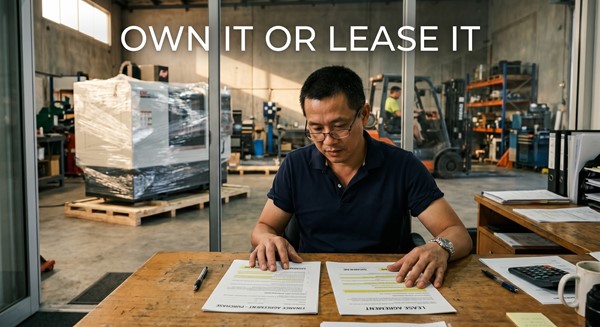
- Operating lease: This is a short-term lease where the business doesn’t own the vehicle at the end of the lease term. It's ideal for businesses that prefer to switch to newer vehicles regularly and don’t want to worry about the vehicle's resale value.
- Finance lease: This lease gives the business the option to purchase the vehicle at the end of the lease term, usually for a predetermined amount. It’s best for businesses that plan to keep the vehicle long-term.
Tip: Determine your business’s long-term vehicle needs. If you need flexibility and lower monthly payments, an operating lease may be right for you. If you want to eventually own the vehicle, a finance lease could be a better fit.
Overestimating the vehicle’s resale value
At the end of a finance lease, many businesses make the mistake of overestimating the resale value of the vehicle. This can lead to disappointment when the vehicle’s actual value doesn’t match your expectations, resulting in unexpected costs.
In Australia, the used vehicle market can fluctuate significantly. For example, during the pandemic, prices for second-hand vehicles increased due to supply chain disruptions, but this market is now stabilising, meaning businesses should not assume that resale values will always be high.
Tip: Do some research into the current market trends for used vehicles and consider how this may affect the residual value of your leased vehicle. Be realistic about the vehicle’s worth at the end of the lease term.
Conclusion
Leasing vehicles can be a great solution for your business’s fleet needs, but it’s important to avoid the common mistakes outlined in this article to ensure you get the best deal. By understanding the lease terms, considering tax implications, factoring in maintenance costs, choosing the right lease type, and being realistic about the resale value of the vehicles, you’ll be in a better position to make an informed decision that supports your business’s growth. Always remember, a little research and planning upfront can save you significant costs in the long run.
FAQ section
What's the difference between an operating lease and a finance lease?
An operating lease is a short-term lease with no option to buy the vehicle at the end, ideal for businesses that need flexibility. A finance lease, on the other hand, gives you the option to purchase the vehicle at the end of the term.
Can I claim tax deductions on vehicle lease payments?
Yes, depending on the type of lease, you can claim the lease payments as a business expense. For operating leases, the full lease amount may be tax-deductible, while for finance leases, you can claim depreciation and the interest portion of the lease payment.
How can I avoid unexpected maintenance costs on a leased vehicle?
Ensure that your lease agreement includes a maintenance package, or set aside a separate budget for vehicle repairs and servicing. Always read the terms to understand what is and isn’t covered.
What happens if I exceed the agreed kilometre limit?
If you exceed the kilometre limit set in your lease agreement, you will usually face additional charges. These can add up quickly, so it’s important to accurately estimate your annual mileage.