In short:
Leasing or owning capital equipment in Australia? Learn how to avoid costly insurance gaps, manage liability, and optimise cover for construction, healthcare, and industrial assets.
Understand the key insurance differences between leased and owned equipment. Discover expert tips to protect your business, meet finance terms, and reduce risk exposure.
Key facts
- Owned and leased equipment require different insurance strategies – If you lease, you’re usually responsible for insuring the asset, even though you don’t own it. Not understanding your obligations can lead to costly policy gaps or legal disputes.
- Insurance premiums differ – Owned equipment often attracts higher coverage costs upfront, while leased equipment may require specialised policies or endorsements, depending on the finance structure.
- Asset responsibility varies – In leases, insurance liability generally lies with the lessee, not the lender. However, 67% of SMEs in Australia are unsure of their leasing insurance responsibilities (source: Equipment Finance Australia, 2024).
- Underinsurance risks are real – The average underinsurance shortfall on commercial equipment claims in Australia is $38,000 per incident, according to 2023 data from the National Insurance Brokers Association (NIBA).
- Customisation is key – Tailoring policies to match usage, location, and asset class—especially for high-risk sectors like construction, logistics, and healthcare—can reduce exposure and improve claims outcomes.
Introduction
Whether you own your equipment outright or lease it through a finance provider, there’s one area you can’t afford to overlook: insurance. In Australia, where extreme weather events, theft, cyber threats, and operational risks are on the rise, the line between being covered and being vulnerable often comes down to how well you’ve structured your insurance strategy.
And here’s the kicker—your insurance needs are very different depending on whether you own or lease your gear. It’s not just about ticking a box on a finance agreement. It’s about safeguarding your operations, complying with your contracts, and protecting your bottom line.
This guide breaks down exactly what you need to consider when insuring leased versus owned equipment in Australia—so you can make smarter, more confident decisions.
The fundamentals: Why insurance matters for capital equipment
Whether you're operating a medical practice, a warehouse, or a construction firm, your equipment is often one of your biggest investments. Without proper insurance in place, a single event—like a fire, accident, or flood—can bring operations to a standstill.
Key risks covered by equipment insurance:
- Fire and natural disasters
- Theft or vandalism
- Accidental damage during use or transit
- Mechanical or electrical breakdown (with optional cover)
- Business interruption due to equipment failure
According to IAG and CGU Insurance, over 30% of business insurance claims in 2023 involved equipment damage, with average payouts of $42,500.
The difference between leasing and owning from an insurance lens
Owned equipment: What you’re responsible for
When you own your equipment outright, you control:
- The insurance policy
- The level of cover
- The provider and premiums
- Claims and recovery process
You’re responsible for insuring the full replacement value of the equipment, and you’ll likely need to adjust policies annually as depreciation kicks in.
Leased equipment: The hidden traps
In most finance leases and hire purchase agreements, the lessee (you) is responsible for insurance—not the lender. However, you don’t own the asset, which creates a unique set of risks and obligations.
Example: You lease a forklift worth $60,000. It’s damaged in a fire. If you're underinsured, you still owe the finance company the full amount—even if your policy only pays $40,000.
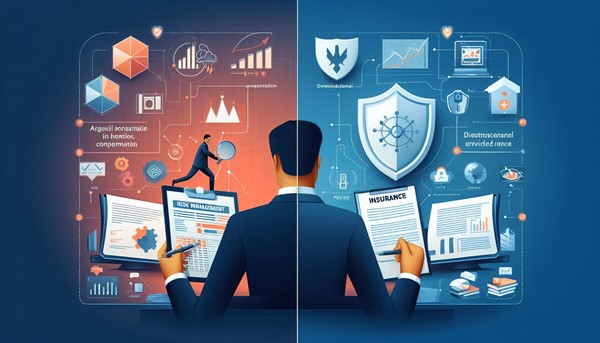
Insurance considerations: Owned vs leased equipment
Insuring equipment differs depending on whether your business owns or leases it. Each option comes with specific responsibilities and financial implications.
Owned equipment
- Policy ownership – Your business holds and controls the policy.
- Insured value – Based on replacement cost (market or agreed value).
- Responsibility – You insure the asset directly.
- Control – Full freedom to choose provider and terms.
- Claim payouts – Paid directly to your business.
- Premiums – Influenced by usage, age, and risk factors.
- End-of-term risks – Depreciation affects resale or trade-in value.
Leased equipment
- Policy ownership – Typically yours, but lease terms may set conditions.
- Insured value – Usually agreed or specified in the lease.
- Responsibility – You insure the asset, but must follow lease rules.
- Control – Often limited; lessor may dictate insurer or coverage.
- Claim payouts – May go to the finance company first.
- Premiums – Can be higher due to contract requirements.
- End-of-term risks – You may face fees for wear, damage, or non-compliance.
What to include in your insurance cover
Whether owned or leased, your policy should reflect:
1. Full replacement value
Ensure your sum insured reflects the actual cost to replace the asset—not its depreciated value.
2. Business interruption insurance
If downtime means lost revenue, consider cover that includes income protection or hire replacement costs.
3. Mechanical breakdown or fusion cover
For high-tech or critical-use machines, this optional add-on can cover internal failures.
4. Public and product liability
If equipment failure could harm a third party (e.g. in a public space), liability cover is essential.
5. Transit cover
Essential for leased or portable equipment that moves between sites or is frequently serviced.
In 2023, over 8,900 Australian commercial equipment claims involved damage during transit—almost 1 in 5 of all mobile plant-related incidents (source: AIG Australia).
Trending insurance challenges in the current Australian market
Rising premiums and exclusions
With the increased frequency of floods, bushfires, and cyber incidents, Australian insurers have tightened policies. Expect higher premiums and stricter exclusions, especially for:
- Equipment in flood-prone areas
- Assets left on construction sites overnight
- Medical or electronic devices vulnerable to cyber attacks
Equipment finance bundling
Many lenders now offer “bundled insurance” with leasing packages. These can be convenient, but are often more expensive or less tailored than standalone policies.
Tip: Always compare bundled lease insurance against independent policies for cost and cover gaps.
Digital risk and cyber coverage
With more equipment relying on IoT, software, and remote diagnostics, a standard property policy may not cover cyber-related failures. You may need equipment cyber liability extensions.
Common mistakes businesses make
- Assuming the lender insures leased assets – They rarely do. You're usually the one legally and financially exposed.
- Not reading the fine print – Some policies won’t pay out if equipment is being used offsite, stored insecurely, or not maintained per guidelines.
- Underinsuring leased gear – Your finance agreement might require cover for the new-for-old value, not just market value.
- Ignoring wear-and-tear clauses in leases – Insurance won't cover contract breaches from misuse or poor condition at lease-end.
Tips for optimising your specialist equipment insurance
Review lease contracts carefully
Know exactly who is liable for what. Check clauses around insurance responsibilities, claim processes, and payout directions.
Use an industry-experienced insurance broker
A broker with construction, healthcare, or industrial experience can tailor policies to your operational risks and lease terms.
Document everything
Keep clear records of inspections, maintenance logs, and usage to support any future claims.
Bundle policies smartly
Look at packaging assets, liability, and cyber cover together—especially for high-value leased equipment.
Adjust your cover annually
As assets depreciate or as your usage changes, recalibrate your sum insured and premiums accordingly.
Conclusion
Whether you lease or own your capital equipment, one thing is clear—you need insurance that fits your asset, your contract, and your risk profile. The nuances between leased and owned arrangements in Australia can be complex, but getting them right is vital to protecting your operations, avoiding financial exposure, and maintaining compliance.
By reviewing your contracts, working with an experienced broker, and staying proactive about your cover, you can turn insurance from a tick-box exercise into a powerful tool for business continuity and asset protection.
FAQs about specialist insurance for leased and owned equipment
Can I use the same insurance provider for both owned and leased assets?
Yes, but you’ll need different policies or policy sections. Ensure each asset is correctly listed and valued.
What happens if leased equipment is written off or stolen?
Your insurance must pay out the residual owed to the finance provider. If underinsured, you’ll have to pay the shortfall yourself.
Do lease companies offer insurance themselves?
Some do, but it's often optional. You're not obliged to take their insurance unless it's a condition of finance approval.
Is insurance tax-deductible?
Yes, premiums on business-use equipment are typically deductible. Confirm with your accountant or tax advisor.
What kind of equipment most often gets underinsured?
High-tech medical devices, leased machinery in remote areas, and rapidly depreciating mobile plants are commonly underinsured due to valuation errors or policy exclusions.