In short:
Unlock cash flow fast with invoice factoring. Convert unpaid invoices into immediate working capital.
Key facts
- Owned equipment is not just an asset, it is dormant working capital: machinery sitting on your balance sheet, fully or partly paid off, can be converted into cash without leaving the yard.
- Sale and leaseback is the main tool: you sell owned equipment to a financier at fair market value, receive a lump sum, and lease it back so operations continue uninterrupted.
- Equipment refinance is the alternative: borrow against the equity in equipment you already own outright, rather than selling it, if you want to retain ownership.
- Clean, unencumbered assets settle fastest: a paid-off machine with a documented market value can often be converted to cash within two to three weeks on a straightforward file.
- Lease payments are typically tax-deductible as a business expense, which is one of the reasons sale and leaseback structures are used over simply drawing down a fresh loan.
A paid-off excavator, forklift or CNC machine sitting on your factory floor looks like an asset on paper, but it is dead equity in practice, doing nothing for your cash position while raw material costs and supplier terms squeeze the business around it. Sale and leaseback and equipment refinance are two of the more overlooked ways Australian businesses convert owned machinery into working capital without giving up the equipment they rely on to operate. Here is how each works and when to use which one.
Why owned equipment is an underused source of cash
Most businesses think of financing as something that happens when you acquire an asset, not something you can do with an asset you already own. But a machine you have paid off still has a current market value, a documented depreciation schedule, and in a healthy used-equipment market, a short path to a written valuation. That is all a lender needs to read to advance funds against it, whether through a sale and leaseback structure or a straight equipment refinance.
How sale and leaseback works
In a sale and leaseback arrangement, your business sells owned equipment to a financier at an independently assessed fair market value, then immediately leases it back under agreed terms, generally over a three to five year period. The asset never leaves your premises and operations continue without interruption. You receive a lump sum of capital from the sale, and repay it through ongoing lease payments, which are typically deductible as a business expense.
- The equipment is valued by an independent assessor to establish fair market value.
- The asset is sold to the financier at that value, and your business receives the funds.
- You lease it back under agreed payments for the term of the arrangement.
- At term end, you typically have the option to repurchase the asset, hand it back, or extend the arrangement further.
How equipment refinance differs
Equipment refinance is a more direct alternative: rather than selling the asset, you borrow against the equity in equipment you already own outright, using it as security for a new loan while retaining legal ownership throughout. This suits businesses that want to release cash without changing who owns the asset, and it typically works on a conservative funding ratio, since lenders apply a cautious valuation and may require an inspection before approving funds, so the amount you can draw is meaningfully lower than the asset's operating value to your business.
| Feature | Sale and leaseback | Equipment refinance |
|---|---|---|
| Ownership during term | Financier | Your business |
| Cash released | Full fair market value, less costs | Conservative percentage of asset value |
| Repayment type | Lease payments, typically deductible | Loan repayments with interest |
| End of term | Repurchase, return, or extend | Loan paid out, asset remains owned |
| Best suited to | Maximising cash released from a paid-off asset | Retaining ownership while accessing partial equity |
What lenders actually look for
The strongest files share the same characteristics regardless of which structure you choose:
- Unencumbered ownership: equipment with no existing lien or finance is the cleanest to work with and settles fastest.
- A defensible used-market value: mainstream, widely used equipment such as trucks, trailers and common machinery types are easier to value and finance than bespoke or highly specialised gear.
- Age and condition: newer, well-maintained equipment retains more value and unlocks more cash than older assets nearing the end of their useful life.
- A clear reason for the funds: lenders assess these deals on the strength of the asset and the business case, whether that is bridging a working capital gap, funding growth, or consolidating higher-cost debt.
A practical example
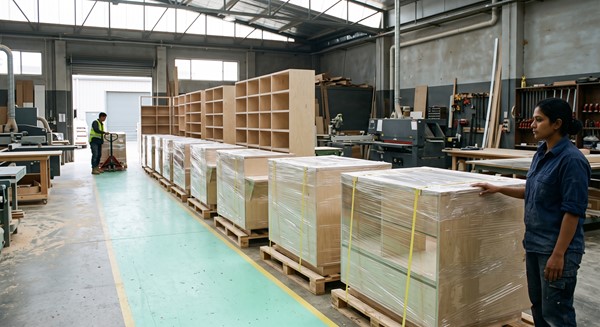
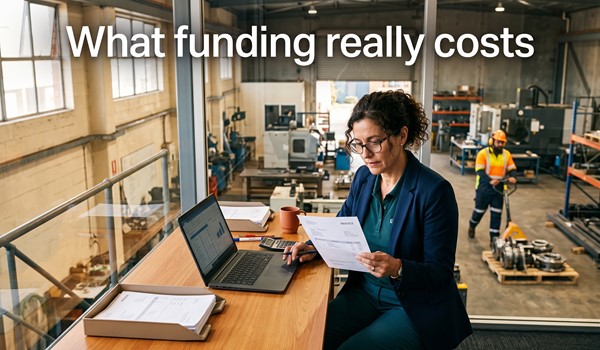
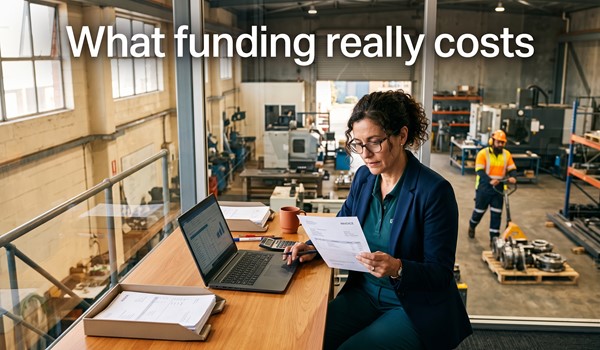
A Sydney manufacturer owns a five-year-old CNC machine outright, fully paid off, sitting on the factory floor. With 60-day supplier terms on raw materials squeezing working capital, the business arranges a sale and leaseback on the CNC machine. An independent valuation confirms a solid used-market price, the machine is sold to a specialist asset finance funder, and the business receives the cash within roughly two to three weeks. The machine never leaves the factory and production continues on the same shifts. The balance sheet trades a depreciating asset for cash, and the P&L picks up a deductible lease payment in place of the old depreciation charge. That cash goes straight into covering supplier terms without the business taking out a fresh, slower working capital facility.
When each option makes sense
- Choose sale and leaseback if you want to maximise the cash released from a paid-off asset and are comfortable with the financier holding title during the term.
- Choose equipment refinance if retaining ownership matters more to you than maximising the amount released, or if the asset is not fully paid off and still carries some existing finance.
- Consider neither if the equipment is highly specialised with a thin resale market, since valuation and settlement will be slower and the amount released may disappoint.
- Talk to your accountant first about how either structure affects your balance sheet and depreciation position, since treatment varies by structure and business circumstances.
What matters most
If your business is asset-rich but facing a short-term cash flow squeeze, the equipment already sitting in your yard or on your factory floor may be the fastest source of capital available, faster in many cases than a fresh working capital facility, because the lender is assessing a known, valuable asset rather than building a picture of your business from bank statements alone. The question worth asking before applying for new finance is whether the equity is already sitting there, paid for, waiting to be put back to work.
Curious how much cash could be released from equipment you already own? Click here to get a free quote.
Frequently asked questions
Do I need to own the equipment outright to use sale and leaseback?
It works best on unencumbered assets, meaning equipment with no existing lien or finance attached, since these settle fastest. If the asset still carries some finance, an equipment refinance is usually the more straightforward route.
How much cash can I actually release?
Sale and leaseback releases close to the asset's full fair market value, since you are selling it outright. Equipment refinance works on a more conservative funding ratio, since lenders apply a cautious valuation, so the amount available is meaningfully lower than what a sale would release.
Will operations be disrupted while this is arranged?
No, that is the point of both structures. The equipment stays on site and in use throughout, whether you have sold it and leased it back or simply refinanced against its value while keeping ownership.
Are lease payments under a sale and leaseback tax deductible?
Typically yes, as a business expense, though treatment varies by structure and individual business circumstances. It is worth confirming with your accountant how the arrangement affects your specific balance sheet and depreciation position before proceeding.
What type of equipment works best for this?
Mainstream, widely used equipment such as trucks, trailers and common machinery types values and finances more easily than highly specialised or bespoke gear, which can slow down both the valuation and the settlement process.