In short:
Learn how to improve your business credit score in Australia and access better financing options. Follow our expert tips to boost your score and grow your business
Improve your credit score and unlock better business financing in Australia. Discover key strategies to boost your score and secure favourable loan terms.
Key facts
- Credit Score Matters: In Australia, 25% of small businesses struggle to secure financing due to poor credit history, impacting your ability to get loans or credit lines.
- Understand the Range: Credit scores in Australia range from 0 to 1000, with 700+ considered good for securing business loans.
- Steps to Improve: Clear outstanding debts, keep credit utilisation below 30%, and ensure your business structure supports your creditworthiness.
- Business Financial Health: 71% of Australian small businesses are more likely to be approved for financing if their financial health is strong and credit score is above 700.
- Monitor Regularly: Regular credit report checks can help identify issues before they become barriers to financing.
Introduction: Why Your Credit Score is Crucial
As a business owner in Australia, your credit score is a significant factor when it comes to securing financing. Whether you're applying for a business loan, line of credit, or a credit card, your creditworthiness plays a key role in lenders' decisions. A poor credit score can lead to higher interest rates or, worse, outright denial of financing.
But don't worry—improving your credit score is entirely possible with some strategic planning and diligent efforts. In this guide, we’ll walk you through actionable steps to boost your credit score, giving you the best chance at securing favourable business financing.
Understanding Credit Scores in Australia
Before diving into how to improve your score, let’s quickly define what it is and how it impacts you.
- What is a Credit Score?
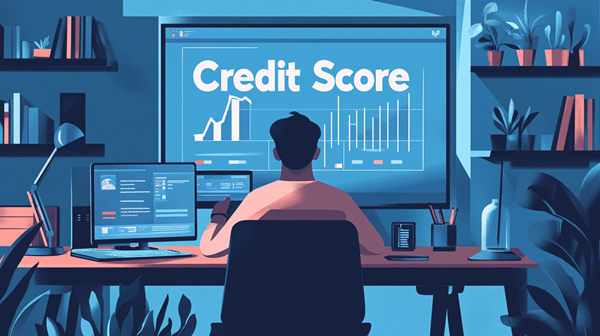
A credit score is a numerical representation of your business’s creditworthiness, ranging from 0 to 1000. The higher the score, the more trustworthy your business appears to lenders.
In Australia, scores are calculated by credit reporting agencies, such as Equifax, and Experian, based on your credit history. Scores above 700 are generally considered excellent, while scores below 500 are seen as risky. - Why Does Your Credit Score Matter?
Lenders use your credit score to assess how likely you are to repay loans. A higher score indicates low risk, which could mean lower interest rates and better loan terms. Conversely, a low score could result in higher rates, reduced borrowing limits, or even rejection.
How to Improve Your Credit Score: Key Strategies
1. Pay Your Bills On Time
One of the easiest ways to improve your credit score is to make sure you pay all your bills, including loan repayments, credit card bills, and supplier invoices, on time. Payment history makes up a large portion of your credit score, so this should be a priority.
- Tip: Set up automatic payments or reminders to ensure you never miss a due date.
2. Reduce Your Credit Utilisation
Credit utilisation refers to the ratio of your credit card balances to your total credit limit. A high credit utilisation rate can negatively impact your score.
- Aim to keep your credit utilisation below 30% of your available credit.
- Example: If your credit card has a limit of $10,000, aim to keep your balance under $3,000.
3. Clear Outstanding Debts
If you have existing debts, particularly high-interest ones, pay them down as soon as possible. Lenders look unfavourably on businesses with large amounts of outstanding debt.
- Focus on paying off high-interest debt first.
- Consider consolidating multiple debts into one loan for easier management and lower interest rates.
4. Review Your Credit Report Regularly
Check your credit report at least once a year to ensure all information is correct. Inaccuracies on your credit report could hurt your score and prevent you from securing financing.
- Free access: You’re entitled to one free credit report per year from each of Australia’s three major credit reporting agencies.
- Look for errors such as missed payments or debts that you’ve already cleared, and dispute any inaccuracies.
5. Avoid Multiple Credit Applications
Each time you apply for credit, a hard inquiry is placed on your credit file. While a single inquiry may not hurt much, multiple inquiries in a short period can signal to lenders that you are desperate for credit, which could lower your score.
- Tip: Only apply for credit when absolutely necessary. If you’re comparing loan rates, consider using a credit provider’s pre-approval process to avoid multiple inquiries.
6. Build a Strong Credit History
The longer your business has a healthy credit history, the better your score will be. Start by opening business credit accounts early and maintaining a good track record of payments.
- Tip: Even if you don't need credit, maintaining a business credit card or trade accounts with vendors will help build a positive history.
7. Establish a Positive Business Structure
Ensure that your business structure supports your ability to access credit. Many lenders prefer businesses that are set up as Pty Ltd (proprietary limited) companies, as these are seen as more stable and trustworthy than sole traders.
- Having your business registered with a professional tax number (ABN) and separate business and personal finances also helps.
- Legal entity status: Sole traders may face more scrutiny, so consider changing your business structure if applicable.
8. Secure and Maintain Stable Revenue
Lenders like to see that your business is profitable and that you have a steady income stream. While improving your credit score is essential, showing strong financial health through positive cash flow and revenue growth is equally important.
- Tip: Ensure your accounting records are up to date, and consider consulting with a financial advisor for guidance on improving your revenue and profitability.
The Impact of Credit Scores on Business Financing Terms
Your credit score directly influences your business loan terms, including interest rates, loan amounts, and repayment conditions.
Interest Rates and Loan Terms
Businesses with higher credit scores (700+) typically qualify for lower interest rates, larger loans, and more flexible repayment terms. For example:
- Credit Score 720: Interest rate of 5%.
- Credit Score 550: Interest rate of 7-8%.
This difference can result in thousands of dollars in savings. A higher score means lower interest, reducing the overall cost of the loan.
Business Financing Options and Credit Scores
Different types of business financing have varying requirements for credit scores. Here’s a breakdown of how your score impacts various loan options:
- Small Business Loans:
Typically, lenders require a credit score of 650+ to be eligible. Scores above 700 will generally secure better rates and terms. - Business Lines of Credit:
A good credit score is essential for securing favourable lines of credit. Lenders typically prefer scores of 700+. - Invoice Financing:
Invoice financing may be available even with a lower score, as lenders focus more on your invoices than your credit history. - Equipment Financing:
This type of loan typically has more lenient credit score requirements since the equipment itself serves as collateral.
Conclusion: The Path to Better Business Financing
Improving your credit score is not an overnight task, but the effort is well worth it. By following the strategies outlined in this guide, such as paying bills on time, reducing debt, and maintaining a positive business structure, you can unlock better financing opportunities for your business.
Remember, your credit score is a reflection of your business’s financial health. A higher score not only opens doors to more affordable financing options but also helps your business grow and thrive. Stay proactive, monitor your progress, and be patient—you’ll be well on your way to securing the business financing you need to succeed.
FAQ: Common Questions on Credit Scores and Business Financing
Q1: How long does it take to improve my credit score?
- It depends on your current score and credit situation. Significant improvements may take 3-6 months of consistent positive behaviour, such as paying bills on time and reducing credit utilisation.
Q2: Can I get a business loan with bad credit?
- Yes, but it may be more difficult. You may face higher interest rates, shorter repayment terms, or the need for a co-signer or collateral. Alternative lenders may also be an option.
Q3: Does checking my credit score hurt it?
- No, checking your own credit score (a soft inquiry) won’t negatively impact your score.
Q4: How often should I check my credit report?
- At least once a year, but if you’re preparing to apply for financing, check it several months in advance to ensure any issues are resolved.