In short:
Most equipment purchases start with a job to be done, not a model number. You know you need to lift heavier pallets or replace a failing machine. What you often do not know is which configuration suits, or what the finance should look like.
Key facts
- You do not need to know the spec: Describe the job and suppliers return configurations that suit it, so you choose between real options.
- Finance runs in parallel: Your application progresses while quotes come in, so both land together rather than one waiting on the other.
- Structure matched to the machine: Chattel mortgage, finance lease, or rental, chosen against how long you hold the asset and your tax position.
- Term and balloon do the tuning: Terms run one to seven years with a balloon around 20 to 40%, setting what you pay each month.
- Better rates through lender access: More than 50 lenders, with no impact to your credit score at quote stage.
Most equipment purchases start with a job to be done, not a model number. You know you need to lift heavier pallets or replace a failing machine. What you often do not know is which configuration suits, or what the finance should look like. Handled separately, both take longer than they need to. This guide covers how EasyAsset runs the search and the funding together, and how the finance is structured. It is general information, not financial advice.
Tell us the job, not the model number
Unless you buy this class of machine regularly, you rely on suppliers to tell you what you need, and each steers you toward what they stock. The starting point with EasyAsset is your requirement instead: the loads the machine handles, the space it works in, the hours it runs, the power on site, and your budget. That brief goes to multiple suppliers, who respond with configurations meeting it.
The value is in the comparison. One recommends more capacity for headroom, another points out your power supply rules out a model, a third offers a used unit cheaper. You choose between costed options that address the job, and it works the same way if you already know what you want.
The finance runs at the same time
The application does not wait until you have chosen a machine. It progresses alongside the quotes, so by the time you pick a configuration the funding is assessed and structured. That also tells you what you can afford while still comparing, turning the choice between a mid-spec new unit and a higher-spec used one into a real comparison. The quote stage carries no impact to your credit score.
Which finance structure suits the purchase
The structure decides what the machine costs after tax and how repayments sit against your cash flow. Three cover most business equipment.
Chattel mortgage
The default for equipment you intend to keep. You own the asset from settlement and the lender registers a security interest over it. A GST-registered business generally claims the GST credit on the price in its next Business Activity Statement rather than across the term, plus depreciation and the interest portion of each repayment. Because the asset is yours, you can sell or refinance it whenever you choose. This suits trucks, forklifts, and plant held for their working life.
Finance lease
The lender buys the asset and leases it to you, retaining legal ownership. At the end of term you can pay the residual and take the asset, refinance, or return it. Lease payments are generally deductible and GST is claimed on each payment rather than upfront. This suits businesses upgrading on a short cycle, wanting the lowest repayment, or preferring not to carry the asset on the balance sheet.
Rental or operating lease
You rent the equipment and hand it back at the end. No ownership and no residual exposure, which suits assets you expect to return, or equipment where technology changes faster than the machine wears out.
| Structure | Ownership | GST treatment | Best suited to |
|---|---|---|---|
| Chattel mortgage | Yours from settlement | Claimed upfront on the price | Assets held long term |
| Finance lease | Lender holds title | Claimed on each payment | Short upgrade cycles |
| Rental | Lender owns, you return | Claimed on each payment | Assets you will hand back |
Tuning the term, deposit and balloon
Within a structure, three levers set your repayment. Terms commonly run one to seven years, shorter on vehicles and longer on heavy plant. A deposit lowers the amount financed and can improve pricing on an older asset. A balloon, the lump sum owed at the end, is typically 20 to 40% of the amount financed and is the main dial on monthly cost.
The balloon is where structuring earns its keep. Set it too high and you face a payment at maturity the resale value no longer covers. Set it too low and repayments strain cash flow. It should track the asset's realistic resale curve, which is why expected hours and working life matter as much as the purchase price. Your accountant should confirm the tax treatment.
Matching the lender to the structure
Your own bank gives one answer, priced to one credit policy. EasyAsset reaches more than 50 bank and non-bank lenders, and appetite varies: some price sharply on trucks and trailers, others prefer fixed machinery or used assets. That access produces a better rate, because the deal reaches financiers that want it.
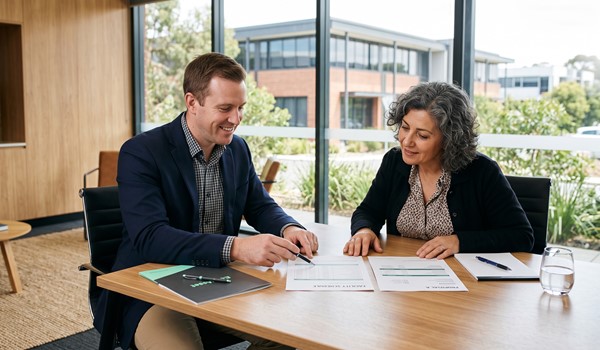
Knowing which lender suits which structure is the second half. A broker placing these deals daily runs the options side by side so you see actual numbers before deciding, then matches your asset, trading history, and GST position to the right financier. Once chosen, the broker prepares the invoice, serial number, and PPSR check, then the lender pays the supplier directly on settlement.
A realistic scenario
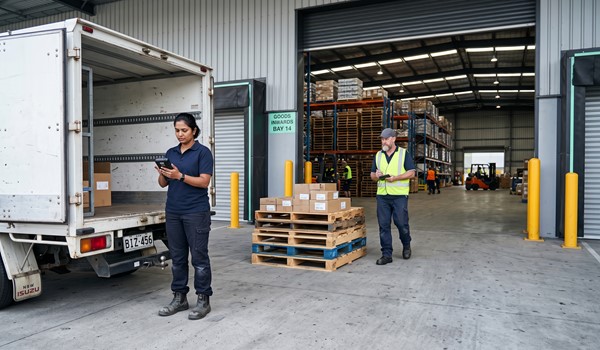
Consider a Brisbane warehouse operator whose pallet volumes have outgrown a small electric forklift. He describes the job rather than a model, and suppliers return three configurations, including one pointing out his racking needs a taller mast and one offering a low-hours used unit.
While those quotes arrive, the finance is already progressing. He plans to keep the machine for its working life, so a chattel mortgage suits: he owns it from settlement and claims the GST credit on his next BAS. The term is set against the forklift's expected hours with a modest balloon, keeping repayments comfortable without leaving a payment at maturity the resale cannot cover. The lender pays the supplier and the forklift is working the following week.
What matters most
Choosing equipment and funding it are one project. Tell EasyAsset what the machine has to do and multiple suppliers quote that brief while the finance progresses alongside across 50+ lenders. Then the structure does the work: a chattel mortgage for assets you keep, a lease or rental for those you will return, with term, deposit, and balloon tuned to the machine's working life. This is general information only and not financial advice.
Know the job but not the machine? Tell EasyAsset what you need and get supplier quotes and finance together here.
Frequently asked questions
Which structure should I choose?
It depends mainly on how long you will hold the asset. A chattel mortgage suits equipment kept for its working life, giving ownership plus the upfront GST credit. A lease or rental suits short upgrade cycles or assets you expect to return. Your broker can run the options side by side, and your accountant should confirm the tax position.