In short:
Forklift Finance – Get the Right Equipment, Fast with EasyAsset
Key facts
- What it does: Funds a new or used forklift so you keep working capital free for wages, stock and operations instead of paying upfront.
- Most common structure: A chattel mortgage, where you own the forklift from day one and the lender holds security until it is repaid.
- Price range: Used forklifts commonly run $10,000 to $45,000; new electric and diesel units span roughly $30,000 to well over $120,000 by type.
- Electric vs diesel: Electric suits indoor warehousing and may attract state efficiency rebates; diesel and LPG suit outdoor yards and heavier loads.
- Fast approval: Asset-backed and low-doc applications can be approved within 24 to 48 hours, especially for newer units.
Why financing beats paying cash for a forklift
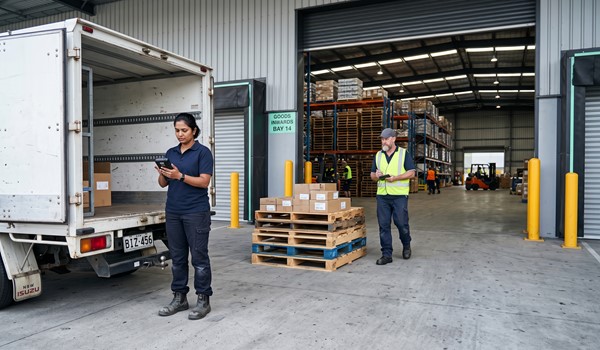
A forklift is a workhorse that pays for itself by keeping your warehouse, yard or production line moving. For a logistics operator, a manufacturer or a building supplier, it is core equipment, but it does not need to swallow your cash reserves. Financing lets you put the machine to work immediately and spread the cost over its working life, keeping capital free for the parts of the operation that actually generate revenue.
Demand for used units is strong, helped by long lead times on new forklifts and rising equipment costs. Diesel and LPG units under five years old are retaining a good share of their value, which keeps lenders comfortable and rates competitive. Lenders view a forklift favourably when there is a clear link between the machine and the business activity, such as moving pallets in a warehouse or loading materials on site, per Ausloans.
Most buyers choose a chattel mortgage for the combination of ownership and tax benefits, but the right structure depends on how you operate.
The main finance structures
There is no single right answer; it depends on your tax position and whether the need is permanent or temporary. The table below sets out the main options:
|
Structure
|
Who owns it
|
Best for
|
|---|---|---|
|
Chattel mortgage
|
You, from day one
|
Long-term use, ownership and tax claims
|
|
Commercial hire purchase
|
Lender, until final payment
|
Ownership at term end with a residual option
|
|
Finance lease
|
Lender, you lease
|
Fully deductible payments, buy at end
|
|
Operating lease
|
Lender, you return it
|
Short-term contracts and changing technology
|
Choose a chattel mortgage when you plan to use the forklift for its full working life. You own it from settlement, claim GST upfront on your next BAS, and deduct depreciation and interest. It is the lowest overall cost for equipment you intend to keep, and sits within broader forklift finance options.
Choose an operating lease when the need is temporary, such as a short-term contract or seasonal peak, or the technology is changing quickly. Leasing extra forklifts for a fixed-term contract avoids the commitment of ownership and the disposal risk when the work ends.
Matching the forklift to the job
The right machine depends on the environment, and the type you choose affects both the price and the finance:
- Electric counterbalance: Best for indoor warehousing and food production, with no emissions and potential state efficiency rebates of roughly $2,000 to $5,000 per unit.
- Diesel or LPG counterbalance: Best for outdoor yards and construction, handling heavier loads and rougher conditions.
- Reach trucks and order pickers: Best for narrow-aisle, high-rack warehousing where space is tight.
- Telehandlers and rough-terrain units: Best for construction and agriculture, with higher price tags and longer finance terms.
Many operations run a mixed fleet financed across several structures, owning core machines and leasing the ones tied to short-term contracts.
A realistic scenario
Consider a logistics operator upgrading to three new forklifts and an automated pallet-wrapping system, a combined spend of around $180,000. Paying cash would empty the reserves needed for freight contracts and staffing, exactly when the business is trying to grow.
Under a chattel mortgage, the business owns the equipment from day one, claims the GST back on its next BAS, and deducts both interest and depreciation. Repayments stay fixed and predictable, the forklifts and wrapper get to work immediately, and cash flow remains available for the contracts that justified the upgrade in the first place. The ATO effectively subsidises part of the cost through the deductions, while the equipment earns from the start.
Is forklift finance the right choice?
Forklift finance suits most operations, but the right structure depends on your situation. Use this to sense-check yours:
- The forklift supports your operation: A clear business purpose, such as warehousing or loading, makes the finance straightforward to arrange.
- You will keep it long term: If the machine will be used for its full working life, ownership through a chattel mortgage costs less overall than leasing.
- The need is temporary: If you are covering a short contract or seasonal peak, an operating lease avoids being left with surplus gear.
- You want upfront tax benefits: If claiming GST and depreciation matters, an ownership structure is the stronger fit.
What matters most
Forklift finance keeps your warehouse or yard moving without tying up the cash your operation depends on. The decisions that matter are matching the machine to the job, choosing ownership when you will keep it long term and leasing when the need is temporary, and aligning the loan term with the forklift's working life. Get those right and the machine pays its way from the first shift.
Would you like to learn more or get a free quote on forklift finance solutions? Click here.
Frequently asked questions
Can I finance a used forklift?
Yes, used forklifts are commonly financed, often with a 10 to 20% deposit and some trading history. Match the loan term to the unit's remaining lifespan, since used forklifts depreciate faster than new ones.
What are forklift finance rates?
Rates vary with credit profile and asset age, with used forklift finance commonly ranging from around 7.5% to 13% p.a. New units and strong borrowers price at the lower end.
Electric or diesel: which should I finance?
Electric suits indoor warehousing and may qualify for state energy rebates, while diesel and LPG suit outdoor and heavier-duty work. Many operators run a mixed fleet to cover both.
Chattel mortgage or lease for a forklift?
A chattel mortgage gives ownership and upfront tax benefits, suiting machines you will keep. A lease keeps the asset off your balance sheet and suits temporary or fast-changing needs.
How quickly can I get approved?
Asset-backed and low-doc applications can be approved within 24 to 48 hours, particularly for newer units. Pre-approval also strengthens your hand when negotiating with a dealer or private seller.