In short:
Excavator Finance – Secure the Right Equipment, Fast with EasyAsset
Key facts
- What it does: Funds the purchase of an excavator or other yellow goods so you can take on the job without paying the full cost upfront.
- Most common structure: A chattel mortgage, where you own the machine from settlement and the lender holds security until it is repaid.
- Why it is specialised: Excavators are expensive new and long-lived, so finance is often the only practical way to fund them, whether the unit is costly or older.
- Speed matters: Specialist lenders can approve well into six figures within 24 to 48 hours, sometimes with no full financials required.
- New or used: Both are financed; the machine's age and resale demand shape the rate, term and advance limit.
Why financing makes sense for yellow goods
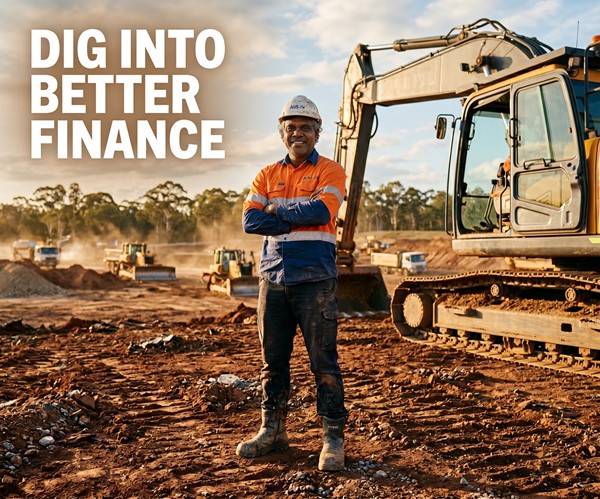
An excavator is often the asset that decides what jobs your business can take on. For a civil contractor or earthmoving operator, it is frequently the first major machine you invest in, and the one a new contract hinges on. The trouble is the price tag: paying cash for a machine that costs well into six figures ties up the working capital you need to actually run the job.
This is why excavators are one of the most commonly financed pieces of construction equipment in Australia. The category, often called yellow goods, sits well with lenders because these are income-producing assets with a clear resale market. Mainstream earthmoving machinery attracts some of the best equipment finance rates available, helped by a liquid secondary market, with transport and warehousing equipment investment rising 40.7% in the December 2025 quarter per ABS data cited by Emu Money.
Used well, finance turns a single large outlay into a manageable cost that the machine itself helps cover as it works.
The main finance structures
The right structure depends on your tax position, whether you want ownership, and how long you need the machine. The table below sets out the main options:
|
Structure
|
Who owns it
|
Best for
|
|---|---|---|
|
Chattel mortgage
|
You, from day one
|
Operators wanting ownership and tax claims
|
|
Commercial hire purchase
|
Lender, until final payment
|
Ownership at term end with similar deductions
|
|
Finance lease
|
Lender, you lease
|
Core long-life plant with a residual at end
|
|
Rent to own
|
Lender, until buyback
|
Testing a machine or short-term need before owning
|
Choose a chattel mortgage when you want to own the excavator from settlement and claim GST, depreciation and interest. It is the structure most owner-operators and growing earthmoving businesses use, and it sits within broader equipment finance options worth comparing.
Choose a lease or rent to own when you do not need long-term ownership, the technology is changing quickly, or you want to test a machine before committing. These structures keep the asset off your balance sheet and reduce disposal risk.
What drives your rate and approval
Excavator pricing is specialised, and a few factors do most of the work in setting your rate and how fast you get approved:
- The asset itself: A new machine from a major dealer and a five-year-old imported unit price very differently because their resale markets differ.
- Documentation level: Full-doc applications price lowest; low-doc and no-doc structures typically add two to three percentage points but suit operators without full financials.
- Trading history and use: A clear business purpose and consistent income widen lender choice and improve terms, even for sole traders financing a first machine.
- Structured payments: Some lenders let you apply a one-off payment (from the GST refund or a private sale) within months of drawdown to lower ongoing repayments.
Excavator finance terms commonly run 1 to 7 years, with balloon, residual or buyback options available to shape the repayment to your cash flow.
A realistic scenario
Consider a small earthmoving business that has been trading four years and lands a new job that needs a larger dozer priced at $335,000. The contract is ready to start, but the cash to buy outright simply is not there without starving the rest of the operation.
Working with a specialist lender, the business secures approval for the full amount within 48 hours, assessed on the strength of its existing fleet and contract rather than full financials. A chattel mortgage funds the machine, ownership and the GST claim start at settlement, and the dozer is on site for the new job while repayments are matched to the income it generates. The speed is the point: a delay in funding would have cost the contract.
Is excavator finance the right choice?
Excavator finance suits most civil and earthmoving operators, but the right structure depends on your situation. Use this to sense-check yours:
- The machine produces income: A clear link between the excavator and the work it enables makes finance straightforward to arrange.
- You want ownership and tax benefits: If claiming GST, depreciation and interest matters, a chattel mortgage is usually the strongest fit.
- You need to move quickly: If a job hinges on the machine, specialist lenders offering fast, low-doc approval can be worth a small rate premium.
- You can match term to use: Align the loan term and any balloon with how long you will keep the machine to avoid owing more than it is worth.
What matters most
Excavator finance lets you put a job-winning machine to work without draining the cash your business runs on. The decisions that matter are choosing the structure that fits your tax position and ownership goals, matching the term to how long you will keep the machine, and moving quickly through a specialist lender when a contract is on the line. Get those right and the excavator earns its keep from the first day on site.
Would you like to learn more or get a free quote on excavator finance solutions? Click here.
Frequently asked questions
Can I finance a used excavator?
Yes, both new and used machines are commonly financed. The unit's age, hours and resale demand affect the rate, term and how much a lender will advance.
How fast can I get approved?
Specialist lenders can return pre-approval quickly, with some approving well into six figures within 24 to 48 hours. Low-doc and no-doc options exist for operators without full financials.
Can a sole trader finance their first excavator?
Yes, this is one of the most common scenarios specialist earthmoving lenders see. They typically look at time in business under your ABN plus any relevant prior industry experience.
What is a structured or balloon payment?
It is a deferred lump sum that lowers your regular repayments, settled at the end from a sale, trade-in or refinance. A structured one-off payment early in the term can also be applied from your GST refund to reduce ongoing costs.
Can I finance attachments too?
Yes, required attachments and extras can often be funded alongside the machine in a single facility. This bundles the full working setup into one repayment rather than separate purchases.